Trends ·
Booking cancellations: when a guest waits for a cheaper offer and cancels just before arrival
Some guests cancel a booking if they find a cheaper offer, and hosts respond by lowering prices. What the research says, and what Airbnb and Booking.com offer.
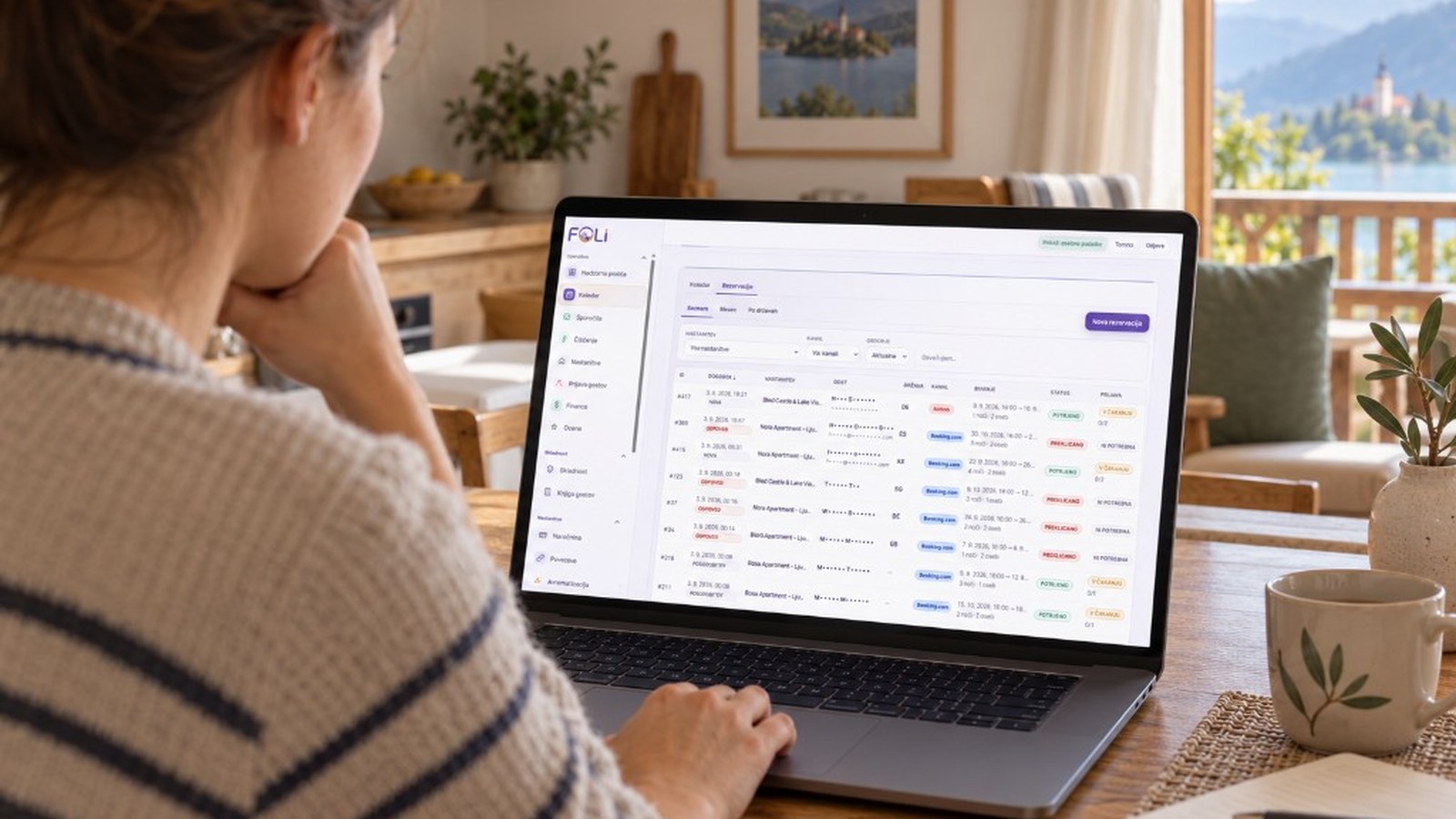
Some guests book a stay months ahead, then cancel just before the free-cancellation deadline if they find a cheaper offer in the meantime – with you or elsewhere. Hosts who watch the market respond to a drop in demand by lowering the price, which turns into a chain reaction among neighbouring properties. The phenomenon is real and researched – the remedy is that both Airbnb and Booking.com offer hosts concrete tools to limit it.
What the research says
The phenomenon has a name – in academic literature it is called strategic cancellation or cancel-and-rebook behaviour: the guest books with free cancellation and then watches prices with the aim of cancelling and booking again when a better offer appears. A large 2026 study that analysed more than two million bookings at 628 Portuguese properties between 2022 and 2024 measured this behaviour: it accounted for 0.94% of all bookings, but over three years caused more than a million euros of lost revenue, and it is more common in urban markets.
What Airbnb offers against this
Airbnb lets hosts choose among four standard cancellation policies: Flexible (full refund up to 24 hours before arrival), Moderate (full refund up to 5 days before arrival), Limited (full refund up to 14 days before arrival, 50% between day 7 and day 14) and Firm (full refund up to 30 days before arrival, 50% between day 7 and day 30). The Limited policy was introduced in October 2025 as a replacement for the discontinued Strict policy.
Airbnb also offers:
- Seasonal policy settings – you can have a stricter policy (for example Firm) for high-demand dates and a more relaxed one (Moderate) out of season, instead of a single policy for the whole year.
- A non-refundable rate with a discount – the guest gets about a 10% discount, and in return has no right to a refund on cancellation, which removes this kind of “speculative” booking from the start.
- A 24-hour free-cancellation window right after booking (if arrival is still at least 7 days away) – this is separate from the chosen policy and always applies.
What Booking.com offers against this
Booking.com works on a similar principle, but with more flexibility in setting the exact window: a fully flexible policy (free cancellation until a date you choose), a partially refundable/custom policy (if the guest cancels after a certain date they lose part of the amount, for example the first night) and a non-refundable policy (the guest pays the full amount regardless of cancellation, and the price is therefore usually 10–20% lower).
The key difference compared with Airbnb: Booking.com lets hosts offer several rate types for the same property at once – for example a fully flexible rate, a partially refundable rate and a non-refundable rate – and the guest chooses the one that suits them. You can also set a prepayment or a non-refundable deposit as a percentage of the booking amount, which further reduces the chance of a cancellation because of a cheaper alternative. You will find the settings in the Booking.com partner area, under the Property → Policies tab.
What this means for you
- Do not use the most flexible policy by default. Airbnb’s Moderate or Booking.com’s partially refundable policy is a reasonable default compromise – they give the guest enough confidence to book, and you enough time to resell the dates if they still cancel.
- Use a stricter policy for high-demand dates. Airbnb’s Firm or Booking.com’s non-refundable rate for peak season substantially reduces the risk that a guest will wait for a cheaper alternative until the last moment.
- Offer a non-refundable option with a discount alongside a flexible one. Guests who are sure of their plans get a lower price and secure your revenue, while those who want flexibility pay a little more for it – which naturally separates “serious” bookings from speculative ones.
- Consider a partial prepayment where the site allows it – a guest who has already paid something is less tempted to cancel.
- Change prices in a targeted way, not visibly for everyone. When you lower the price for dates someone has already booked, that booking becomes a target for cancellation – it is better to think about targeted discounts for dates that are still free than about a general price cut across the whole calendar.
Where Foli can help
Foli does not set your cancellation policy for you, nor does it limit prices on cancellation – those settings stay entirely with Airbnb or Booking. It does help with the immediate consequence of a cancellation: because Foli updates the calendars of both sites almost immediately, freed-up dates appear as available on both at once, instead of you having to open them by hand on each one. The less time you lose matching calendars after a cancellation, the more time you have to fill the dates again before someone else does.
Misuse of the cancellation policy is not something you can avoid completely – but it is something you can substantially limit with the right policy choice on both sites and thoughtful handling of prices.
Foli · Zala Rosa d.o.o. · Metelkova ulica 15, 1000 Ljubljana · [email protected] · www.hellofoli.com